
 English
 Español
 Pусский
 Français
 Deutsch
 日本語
日本語 العربية
 Türk dili
 中文
中文
Plastic Modified Materials
Plastic Modified Materials are engineered materials created by combining base plastics with various additives, fillers, reinforcements, and processing aids to improve performance characteristics. By modifying the original polymer structure or formulation, these materials can achieve better strength, heat resistance, impact resistance, weatherability, flame retardancy, and processing stability. They are widely used in industries such as automotive, electronics, construction, packaging, home appliances, and medical devices because they offer a balance of performance, cost, and versatility.One of the main advantages of plastic modified materials is the ability to tailor properties for specific applications. For example, a standard plastic may have good moldability but limited durability. After modification, it can become tougher, more stable under high temperatures, or more resistant to chemicals and ultraviolet light. This customization makes plastic modified materials highly adaptable to different environments and product requirements. Manufacturers can select the appropriate additives and reinforcement systems according to the desired mechanical, thermal, or aesthetic performance.Common modification methods include adding glass fiber, mineral fillers, impact modifiers, flame retardants, antioxidants, and UV stabilizers. Glass fiber reinforcement can significantly increase rigidity and strength, making the material suitable for structural components. Mineral fillers may improve dimensional stability and reduce shrinkage during molding. Impact modifiers enhance toughness and reduce brittleness, especially in low-temperature conditions. Flame retardants are used when improved safety and compliance with fire standards are required. Stabilizers help extend the service life of products exposed to sunlight, oxygen, or heat.Plastic modified materials also contribute to manufacturing efficiency. Many modified polymers can be processed using injection molding, extrusion, blow molding, or thermoforming, allowing mass production of complex shapes with high precision. Their relatively low density compared with metals helps reduce product weight, which is especially important in transportation and portable devices. In addition, these materials can sometimes lower production costs by replacing more expensive or heavier traditional materials while maintaining acceptable performance.Another important feature is sustainability. With growing environmental awareness, modified plastics are increasingly being designed for recyclability, reduced energy consumption, and longer product life. Some formulations incorporate recycled content or bio-based components, helping support more responsible material use. At the same time, improved durability can reduce the need for frequent replacement, which may lower overall resource consumption.In practical use, plastic modified materials are found in car interior and exterior parts, electrical housings, appliance components, pipes, panels, protective cases, and many consumer products. Their broad applicability comes from the ability to fine-tune properties without losing the processing advantages of plastics. As industries continue to demand lighter, stronger, safer, and more sustainable materials, plastic modified materials will remain an important part of modern material engineering.
Produk
Kategori:
Modified Material
-
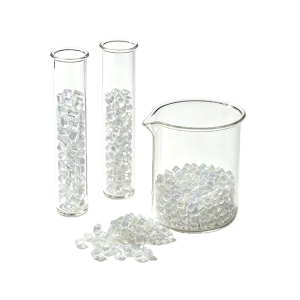
Modified Material
Klasifikasi mereka: Modified MaterialTampilan: 34Nomor:Waktu rilis: 2026-10-09 20:41:42
Berita
Kategori:
Tidak ada hasil pencarian!
Kasus
Kategori:
Tidak ada hasil pencarian!
Video
Kategori:
Tidak ada hasil pencarian!
Download
Kategori:
Tidak ada hasil pencarian!
Rekrutmen
Kategori:
Tidak ada hasil pencarian!
Produk yang direkomendasikan
Tidak ada hasil pencarian!



 Telepon